



Danitrio Horaisan Maki-E on Genkai Fountain Pen
Starting at $3750/mo for 6 month no-interest installments, 10% down using 
Learn about our Payment Relief Plan. |
|---|
✓ 100% Genuine Urushi
✓ Contains the Maki-E Red Seal (Highest Quality of Maki-E Art)
✓ Hand-painted by highly-trained Japanese Artisans
This pen features Horaisan, the legendary island of the immortals, where the elixir of life lies hidden.
In Japanese tradition, "the crane lives a thousand years, the turtle ten thousand." Kogaku gave Horaisan its rightful guardians: a turtle whose shell is a mosaic of crushed mother-of-pearl, and a crane lifting off through the pines in gold maki-e. Between them, the golden palace of the immortals rises out of the mist, and the cap is inscribed 蓬莱山, the island's name, in Kogaku-san's hand.
About Danitrio Genkai Series:
The owner of Danitrio had called this series of pens "Genkai", meaning "limit" in Japanese. The intent was that this would be the largest pen series of Danitrio and no other pen would be larger than it. Little did he know that later on he would develop a series with an even larger pen called the Yokozuna.
Nib Details:

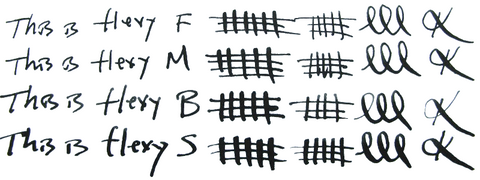
This pen is furnished with an 18k Gold, two-toned #8 nib.
An UrushiPen.com representative will contact you to confirm nib tip size preference (fine, medium, broad, or stub) following the placement of the order.
Technical Specification:
| Cap Length | 65 mm (2.56") |
| Cap Diameter | 19 mm (0.75") |
| Barrel Length | 115 mm (4.53") |
| Barrel Diameter | 17 mm (0.67") |
| Pen Length (Closed) | 155 mm (6.10") |
| Pen Length (Posted) | Cap does not post |
| Net Weight | 42.5 g (1.25 oz) |
| Net Weight (w/ink full) | 53 g (1.3 oz) |
| Filling System | Eye Dropper |
About the Artisan:

This pen was hand-painted by Koichiro Okazaki (Kogaku). Born in 1959. He is a renown Maki-E artisan in Japan and considers himself wholeheartedly traditional when it comes to Maki-E. He is recognized by the Japanese Government as a Dento Kogei-shi, which an honorary title meaning "master of traditional crafts" and is given only to a select few artisans who have a significant contribution to their craft. Many of his Maki-E works have been accepted and rewarded at national art exhibitions. He had learned Maki-E from a master and became an independent artisan 5 years later. He was recognized with Kao (authorized monogram) by Kuda Munenori of Sado Omote school in 1991. He performs Maki-E on many traditional accessories, hair pins, combs, jewelry, and fine writing instruments.