



Danitrio Mariko Maki-E on Takumi Fountain Pen
Starting at $900/mo for 6 month no-interest installments, 10% down using 
Learn about our Payment Relief Plan. |
|---|
Couldn't load pickup availability
✓ 100% Genuine Urushi
✓ Hand-painted by highly-trained Japanese Artisans
About Danitrio Takumi Fountain Pen Series:
The Takumi is Danitrio series pen that is cigar-shaped. Takumi means "good design or craft" in Japanese.
Nib Details:
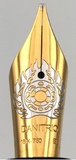
This pen is furnished with an 18k Gold, two-toned #6 nib. What has been described by many Danitrio collectors as the fireball nib is an image of “Kaen-Kohai” which is a flame-shaped halo of “Fudo Myoo” (Acala, the God of Fire). This halo is commonly painted on the back of Japanese Buddhist statues.
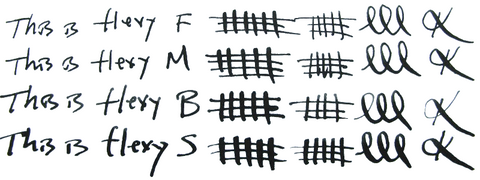
An UrushiPen.com representative will contact you to confirm nib tip size preference (fine, medium, broad, or stub) following the placement of the order.
Technical Specification:
| Cap Length | 68 mm (2.68") |
| Cap Diameter | 18 mm (0.71") |
| Barrel Length | 107 mm (4.21") |
| Barrel Diameter | 16 mm (0.63") |
| Pen Length (Closed) | 147 mm (5.79") |
| Pen Length (Posted) | Cap does not post |
| Net Weight | 28.4 g (1 oz) |
| Net Weight (w/ink full) | 30 g (1.06 oz) |
| Filling System | Cartridge/Converter |
About the Artisan:

This pen was hand-painted by Masanori Omote (Masanori). Born in 1938. Masanori was awarded the "Dento-Kogei-shi" title in 1994, which an honorary title meaning "master of traditional crafts" and is given only to a select few artisans who have a significant contribution to their craft. He learned Maki-E on commonly used items and often showcases his work at art exhibitions in Japan such as Dento Kogeiten, art-and-craft exhibition established in the 1950's to help foster and pass down the skills of Japanese traditional crafts. In addition to practicing Maki-E, he has also has been a teacher at the Yamanaka Urushi Technical Center. He likes to use different lacquering techniques on the same piece and is inspired by the four seasons. He states that he works very hard on his pieces in hopes that his customers will continue to love his work.